The hill
The fog line, and what it does to hillside prices
Two hundred metres of altitude is worth more in this city than in almost any other in Italy. The reason is meteorological, and it shows up in the transaction data.
Marco Bertolino · 27 May 2026 · 6 min
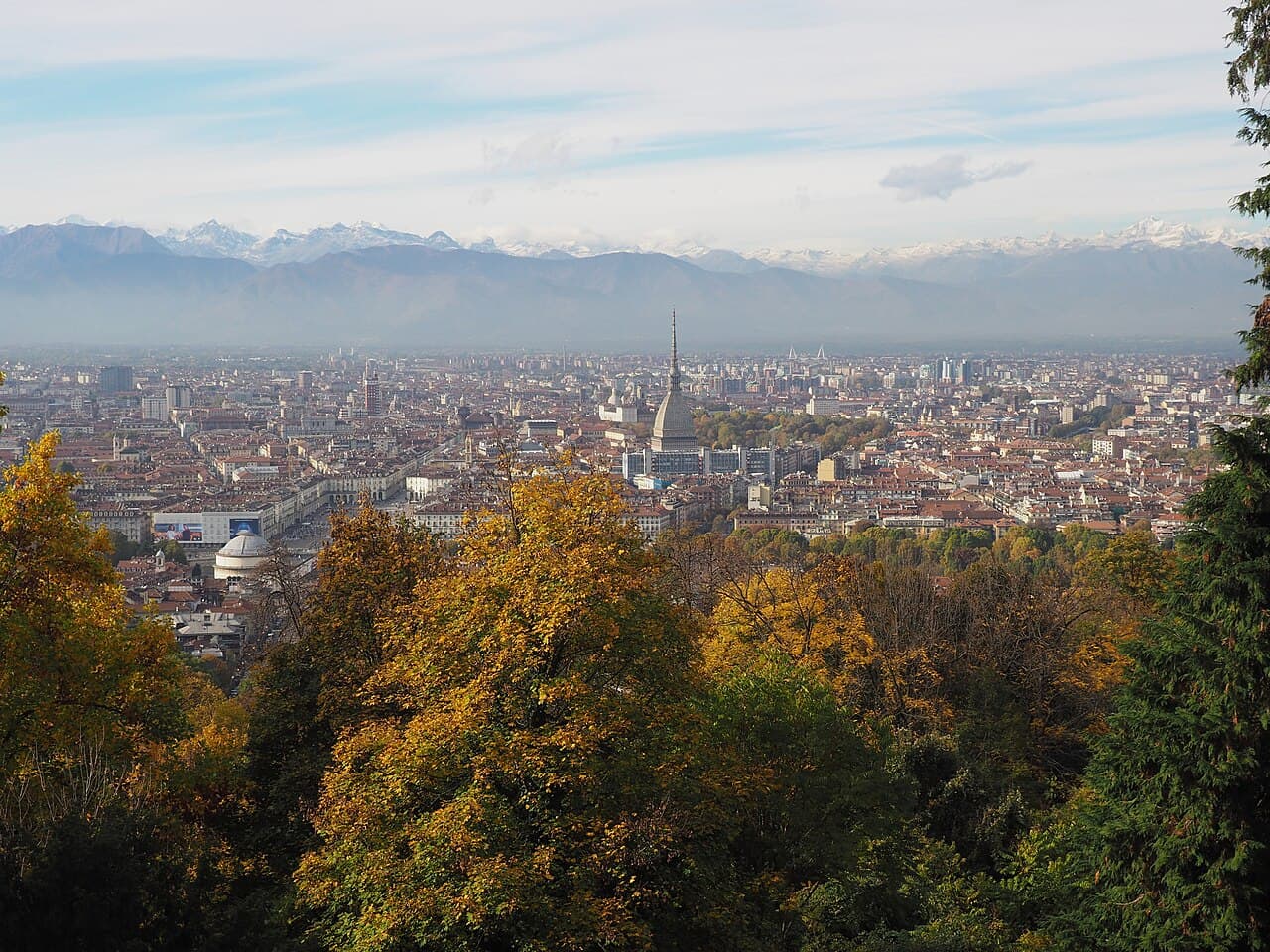
Turin sits at the western end of the Po plain, in a basin closed on three sides by mountains. In late autumn and winter, cold air settles in that basin and does not move, and the city spends days at a time under a lid of fog while the hill above it is in full sun.
Buyers who have lived through one of those winters do not need this explained. Buyers arriving from Milan or from abroad usually do, and it is the single piece of local knowledge that most often changes which district someone ends up in.
The effect on price is measurable. Comparing like-for-like detached houses on the Collina Torinese, the plots above roughly 250 metres carry a premium of eight to twelve per cent over otherwise comparable plots on the lower slope. That premium has been stable for a decade and it widened slightly during the last two foggy winters.
It is not a free lunch. Higher plots mean steeper access roads, longer utility runs, and a real chance of being snowed in for a day or two each winter. Refuse collection stops at certain points on the hill. Delivery drivers are unreliable above the first hairpin. The premium is paying for sunshine and it is charging for inconvenience.
What we tell clients is to visit twice: once in June, when everyone falls in love with the hill, and once in January, when they find out what the road is like. The people who buy after the January visit are almost never the ones who resell within five years.